Build a Child’s Confidence: 5 Practical Parenting Tips
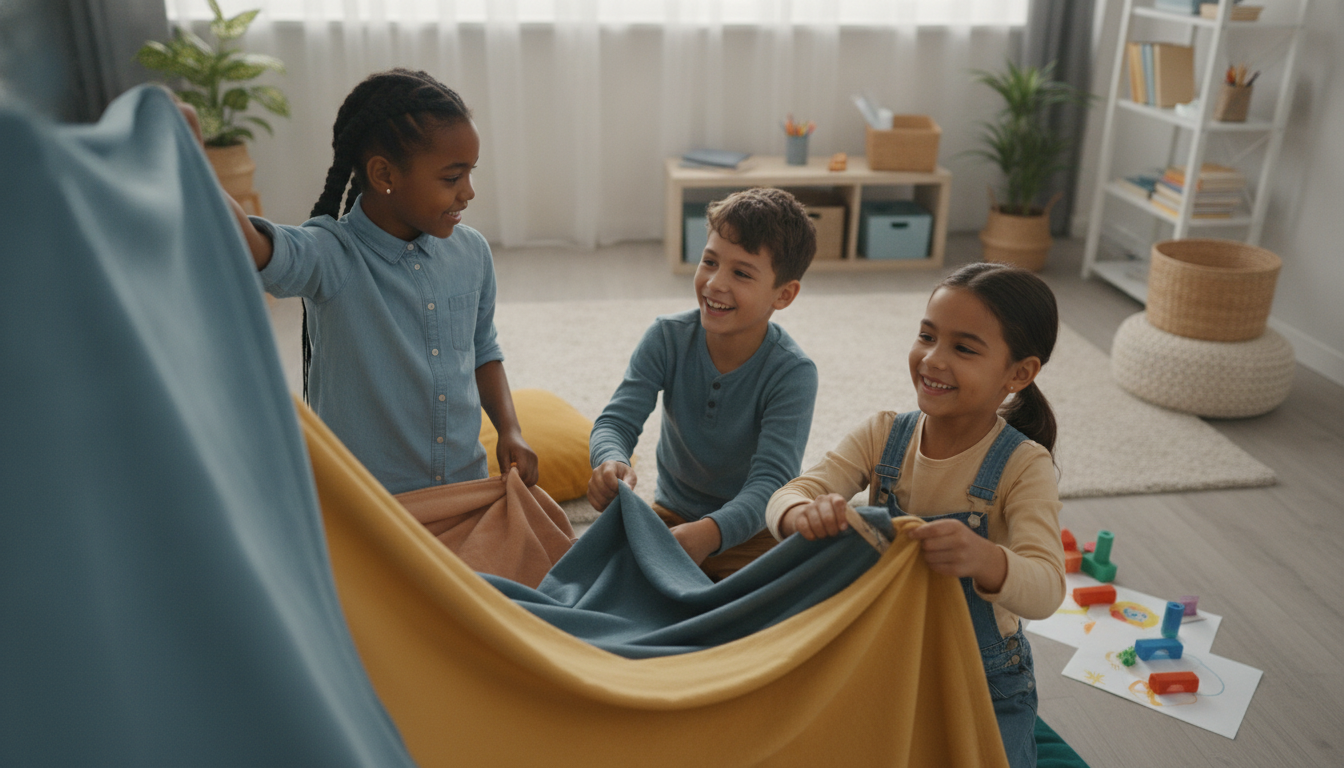
How to build confidence and self-esteem in a child?
Confidence grows when kids repeatedly experience two things: being valued for who they are and seeing that their effort leads to progress. Start by creating a home base where feelings are taken seriously and mistakes aren’t treated as emergencies. When children feel emotionally safe, they take healthier risks—trying out for the team, raising a hand, making a friend—which is where real self-esteem is built.
1) Notice effort, not just outcomes
Praise the process: “You kept going even when it was hard,” or “You practiced every day.” This teaches kids that ability isn’t fixed and that improvement is something they can influence.
2) Give meaningful responsibility
Assign small, real jobs (feeding a pet, setting the table, packing a backpack). Follow through with appreciation, and avoid “redoing” their work in front of them. Competence is a powerful confidence booster.
3) Let them solve age-appropriate problems
When a child is stuck, try: “What have you tried?” “What’s one small next step?” Offer choices rather than rescues. Support is key, but stepping in too fast can accidentally teach, “I can’t handle this.”
4) Coach self-talk and emotional skills
Help them name feelings and reframe thoughts: “I’m nervous” can become “I’m nervous because I care, and I can still try.” Teach calming tools like slow breathing, a short break, or writing down worries.
5) Protect connection, especially during correction
Correct behavior without labeling the child. “Hitting isn’t okay” lands better than “You’re bad.” Kids build stable self-worth when they know love isn’t withdrawn during tough moments.
For more practical examples and supportive strategies by age, visit this complete guide on building confidence and self-esteem in a child.
FAQ
What are signs a child is struggling with self-esteem?
Common signs include frequent negative self-talk, avoiding new activities, intense fear of mistakes, excessive people-pleasing, or giving up quickly. Some kids also act overly “tough” or controlling to cover insecurity.












Leave a comment